

Buddha OG Kush
Big Buddha Seeds out of the UK is back with Buddha OG Kush, a cross of Pre-98 Bubba Kush with an unknown California OG Kush. The loud terpenes have a pungent piney aroma that's accompanied by a gassy spiciness associated with OG genetics. The high may bring you down into a complete state of relaxation that can put less experienced consumer in a deep couch lock
Quick Facts
Source Consensus
This page is built from overlapping source data and then expanded into a long-form editorial guide.
Strain Summary
Plenty of cultivars get attention for hype, but only a smaller group hold that attention because the profile keeps delivering. A strong strain page should explain not just what a cultivar is called, but why it keeps showing up on serious menus. That combination is exactly why a strong strain page needs more than copied flavor tags. It needs enough context to show how the genetics, aroma, and user expectations line up. Buddha OG Kush is most often framed as a hybrid, which matters because that label shapes how smokers, buyers, and menu curators usually approach it. The terpene side of the conversation leans on Caryophyllene, Limonene, and Myrcene, and that gives the strain a more concrete identity than a simple one-line menu description ever could. Across strain databases, the profile is repeatedly tied to Diesel and Earthy, while the effect language usually circles around Creative, Energetic, Euphoric, and Focused.
Buddha OG Kush is usually listed as hybrid, and that classification becomes more meaningful when the rest of the profile supports it. Instead of reading this cultivar as just a name on a menu, it helps to understand how the terpene structure, flavor descriptors, and repeated effect language create a recognizable lane for it in the broader market. In the source material behind this guide, Buddha OG Kush repeatedly shows up alongside terms like Creative, Energetic, Euphoric, and Focused and flavor notes such as Diesel and Earthy. That makes it the kind of strain people remember not only because of potency, but because the overall personality feels coherent.
Potency references for Buddha OG Kush often land around varies by batch THC, while CBD is typically low or not consistently listed. Those numbers should never be treated as a guarantee for every harvest, but they do help frame how the strain is usually marketed and why expectations around intensity can be higher than average. For people comparing one strain against another, the most useful move is not to stare at the THC line alone but to read the strain through its full composition: the terpene conversation, the flavor arc, the effect profile, and the family tree behind it.
History & Origin
A lot of weak strain pages flatten history into a single sentence, but the history side of Buddha OG Kush matters because cannabis buyers often use lineage and market reputation as a shortcut for quality expectations. Buddha OG Kush has built identity over time through repeated mentions of its flavor, its structure, and the style of high that people expect from it. Even when public sources vary in how they phrase that history, they usually agree on the broad reason a strain survives: it does something memorable enough to keep showing back up in serious conversations.
In practical terms, the story of Buddha OG Kush is also a story about classification pressure. When enough menus, review sites, breeders, and content pages keep describing a cultivar through the same handful of ideas, those ideas harden into public consensus. That is why terms like Diesel and Earthy, Caryophyllene, Limonene, and Myrcene, and Creative, Energetic, and Euphoric matter so much here: they are not random tags, they are how the market keeps recognizing Buddha OG Kush.
Lineage & Genetics
The strongest lineage overlap for Buddha OG Kush points to Unknown. That matters because lineage is not just trivia for strain nerds. It is one of the clearest ways to explain why a cultivar tastes the way it does, why the structure leans toward a certain market lane, and why users often report a familiar effect pattern from one batch to the next. If you understand the family behind Buddha OG Kush, the flavor and effect profile usually starts making more sense immediately.
As a hybrid, Buddha OG Kush sits in a lane where balance, contrast, or crossover character often matters more than a simple single-direction description. A hybrid can still lean bright, heavy, creamy, peppery, hazy, dessert-driven, or fuel-forward depending on the specific parents involved. That is why the Unknown connection is useful here: it helps explain why Buddha OG Kush is repeatedly read through the same sensory and experiential language across different source pages.
Good strain writing should turn genetics into something a buyer can actually use. In plain terms, the family tree behind Buddha OG Kush helps explain why this cultivar tends to show up in discussions about Diesel and Earthy, Creative, Energetic, Euphoric, and Focused, and overall identity rather than getting lost among generic menu filler.
Terpene Profile
The terpene conversation around Buddha OG Kush usually centers on Caryophyllene, Limonene, and Myrcene. That trio matters because terpenes do more than add smell. They shape how a profile is perceived before the flower is even broken down, and they influence whether a strain reads as creamy, sharp, sweet, peppery, citrus-forward, earthy, or soothing. When a strain keeps being connected to Caryophyllene, Limonene, and Myrcene, it gains a stronger sensory identity than pages that only list one vague tasting note.
If ['Caryophyllene'] and True: Caryophyllene-heavy profiles often give a cultivar more pepper, depth, and warmth than the sweeter names might suggest. Buddha OG Kush works well as a case study because the terpene structure supports the broader way the profile is usually described instead of fighting it.
On a stronger page, the goal is to connect terpenes to real expectations. For Buddha OG Kush, that means understanding why Caryophyllene, Limonene, and Myrcene can line up with a profile that gets described with flavors like Diesel and Earthy and effects like Creative, Energetic, Euphoric, and Focused. That linkage is what turns raw tags into useful context.
Flavor & Aroma
The flavor side of Buddha OG Kush is usually described through notes like Diesel and Earthy, while the aroma side often brings in Diesel and Earthy. That distinction matters because plenty of strains smell one way and smoke another. A page that only dumps tags without explaining the progression misses one of the best reasons people look up strain names in the first place.
In practical use, Buddha OG Kush sounds like the kind of profile people remember for contrast rather than monotony. The first impression may lean toward the louder notes, but strong cultivars usually hold attention because secondary notes start showing up underneath the obvious top layer. That is why Diesel and Earthy on its own is not enough to describe Buddha OG Kush. The better read is to see how sweetness, earth, herbal depth, spice, fruit, or cream interact instead of flattening the whole thing into one adjective.
From an SEO standpoint, this is also where thin pages fail most often. They repeat the same flavor list as everyone else and stop there. A better strain guide explains why the flavor profile of Buddha OG Kush feels distinctive in relation to the effect profile and the lineage behind it, which is exactly how a real buyer tends to think when comparing options.
Effects & Overall Feel
Across the source material, the effect language around Buddha OG Kush usually includes Creative, Energetic, Euphoric, Focused, Happy, and Hungry. That does not mean every user will report the same experience, but it does show a stable expectation pattern. When a strain repeatedly attracts words like Creative, Energetic, Euphoric, and Focused, it suggests the market has learned to read it in a fairly consistent way.
For everyday interpretation, Buddha OG Kush does not need to be reduced to a single word like strong or smooth. A better reading asks whether the strain tends to feel mentally active, emotionally lifted, physically grounded, socially comfortable, creatively useful, or evening-weighted. Based on the broader data around Buddha OG Kush, the most useful shorthand is that it usually lands somewhere around Creative, Energetic, Euphoric, and Focused, with enough character to feel more specific than generic hybrid filler.
Pages that deserve to rank should also explain limits and context. If Buddha OG Kush is marketed through stronger THC ranges like varies by batch, that will naturally shape how new users approach it. Potency, tolerance, setting, intake size, and product quality all change the real-world outcome, which is why effect writing should always stay descriptive rather than absolute.
How This Strain Compares
One of the easiest ways to understand Buddha OG Kush is to compare it to a few better-known names. Strains such as Blue Dream, OG Kush, Gelato, Runtz, Wedding Cake, and Sour Diesel help anchor expectations because buyers rarely shop one page in isolation. They compare style, intensity, flavor family, and overall vibe.
If someone is choosing between Buddha OG Kush and another hybrid, the real question is usually not which one is stronger on paper. It is which one fits the flavor lane they want, the mental tone they prefer, and the kind of session they are planning. That is exactly why a full strain guide needs lineage, terpene context, flavor explanation, and effect language working together instead of sitting as disconnected bullet points.
In that broader comparison set, Buddha OG Kush stands out because of the way Diesel and Earthy overlaps with Creative, Energetic, Euphoric, and Focused and the genetics usually associated with it. That kind of coherence is what separates memorable cultivars from strains that only look good as isolated names on a menu.
Who This Strain Usually Fits Best
Buddha OG Kush is usually a better fit for people who care about more than just THC headlines. The buyers who tend to appreciate a strain like this are often looking for a profile that feels complete: recognizable flavor, repeatable personality, and enough structure that the cultivar makes sense across flower, prerolls, concentrates, or branded menu placements.
If someone wants a strain that reads clearly through Diesel and Earthy and Creative, Energetic, Euphoric, and Focused, Buddha OG Kush makes more sense than pages that rely on vague hype words. That does not mean it will be ideal for everyone. It means it has a clearer public identity than the average menu filler strain, and that identity is part of what keeps people searching for it by name.
In other words, the best use of a page like this is not to force certainty where none exists. It is to help a buyer understand what kind of cultivar Buddha OG Kush is trying to be, how the market usually reads it, and where it sits in relation to the broader family of modern hybrids.
Frequently Asked Questions
What type of strain is Buddha OG Kush?
Buddha OG Kush is most commonly described as hybrid. That label matters because it shapes how people interpret the balance between mental lift, body presence, and overall tone. A better way to read the classification is not as a guarantee, but as a summary of how the broader market repeatedly experiences and describes the cultivar.
What is the lineage of Buddha OG Kush?
The strongest lineage overlap for Buddha OG Kush is Unknown. Genetics matter because they help explain why a strain tends to carry certain flavor notes, why its structure becomes recognizable, and why the public description around it stays relatively stable across multiple source pages.
What terpenes are most associated with Buddha OG Kush?
The top terpene conversation around Buddha OG Kush usually centers on Caryophyllene, Limonene, and Myrcene. That matters because terpene structure is one of the best ways to move beyond generic menu labels and understand why a cultivar smells, tastes, and presents the way it does.
What effects are usually mentioned for Buddha OG Kush?
The most repeated effect language for Buddha OG Kush includes Creative, Energetic, Euphoric, Focused, and Happy. Those words should be read as market consensus rather than a promise for every person, but they do help explain why people keep searching the strain by name instead of treating it like interchangeable menu filler.
What does Buddha OG Kush usually taste like?
Flavor descriptions around Buddha OG Kush usually mention Diesel and Earthy. A better reading of those tags is to think about progression and layering: what comes through first, what lingers after the first impression, and how the aroma and smoke character relate back to the strain’s genetics and terpene profile.
Is Buddha OG Kush considered strong?
Buddha OG Kush is often listed in THC ranges around varies by batch, which means many batches are marketed as moderately strong to strong. Still, perceived intensity depends on tolerance, product quality, amount used, and whether the terpene structure makes the experience feel brighter, heavier, sharper, or more relaxed.
Related Strains
Buddha OG Kush Strain Pictures
Flower images collected for this strain profile.

Buddha OG Kush strain image
askgrowers.com

Buddha OG Kush strain image
allbud.com
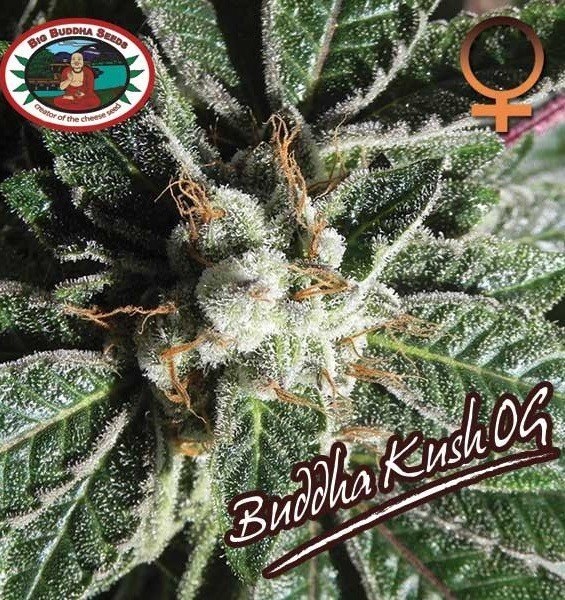
Buddha OG Kush strain image
cannaconnection.com

Buddha OG Kush strain image
cannaconnection.com

Buddha OG Kush strain image
hemplo.pl

Buddha OG Kush strain image
imperialbud.ca
Shop Similar Products
No direct catalog match was found right now, so the fastest fallback is a store search for this strain name.


.png)